
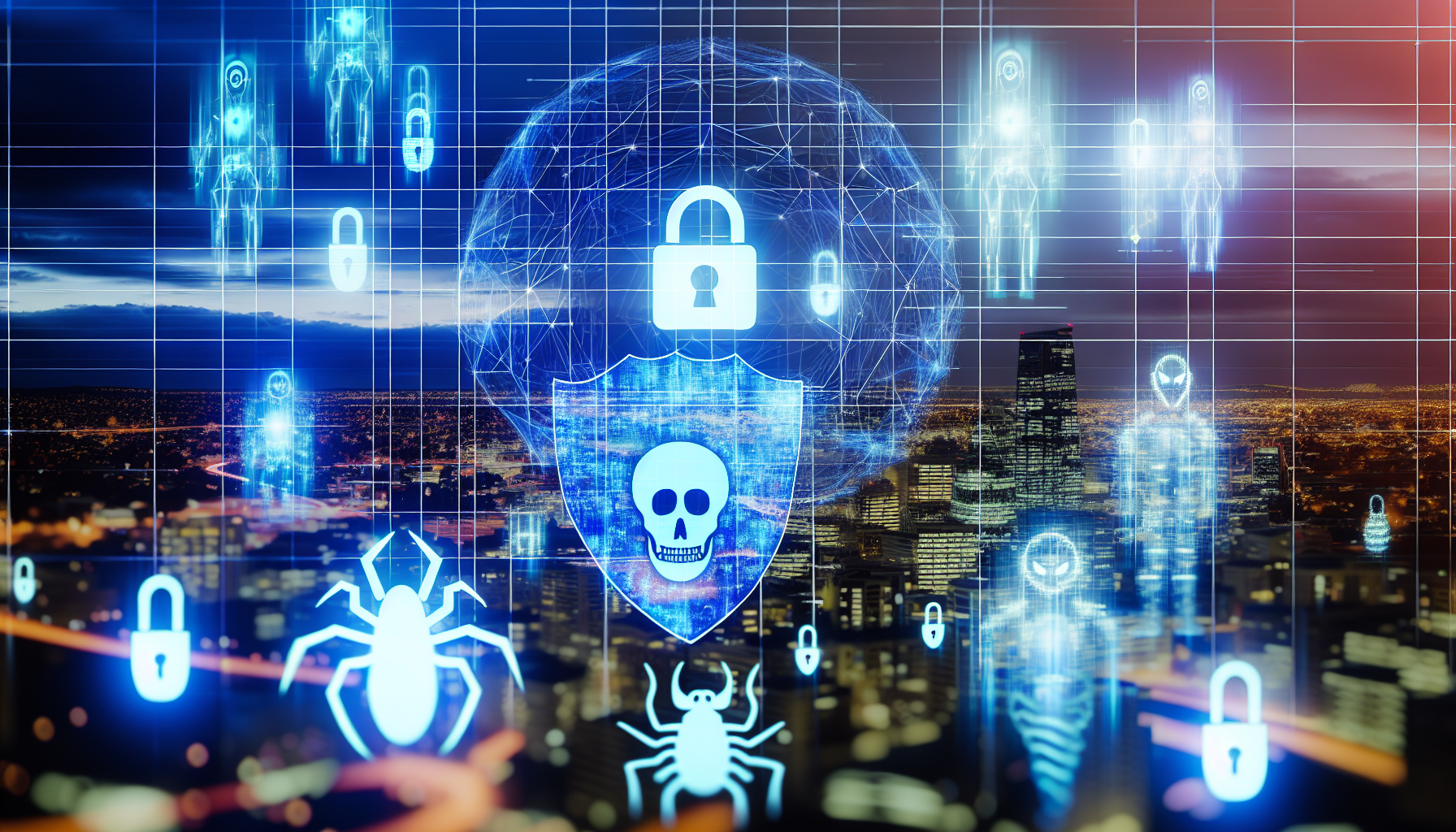
Cybersecurity Threats: 5 Business Risks and Defenses
In today’s digital age, Cybersecurity threats are becoming increasingly common and sophisticated, posing significant risks to individuals and organizations alike.
Cybersecurity threats are growing more sophisticated—and more dangerous. Hackers target businesses daily, exploiting weak defenses to steal data, disrupt operations, and demand ransoms. Without proper protection, companies risk financial ruin and reputational damage. This guide reveals five critical Cybersecurity threats and how to stop them before they strike.
Phishing Attacks: The Bait That Hooks Businesses
Phishing scams trick employees into handing over sensitive data. Fake emails, disguised as legitimate requests, lure victims into clicking malicious links. Cybersecurity threats like these can lead to devastating breaches.
How to Defend Against Phishing
- Train employees to recognize suspicious emails.
- Use AI-powered email filters to block scams.
- Enable multi-factor authentication (MFA) for all accounts.

Alt Text: Cybersecurity threats include phishing scams—train your team to spot them.
Title: Stop Phishing Before It Steals Your Data
Ransomware: The Digital Extortion Epidemic
Ransomware locks files until victims pay hackers. Small and mid-sized businesses, including Mynians, are prime targets. A single attack can cost thousands in downtime and recovery.
How to Prevent Ransomware Attacks
- Backup critical data daily (follow the 3-2-1 backup rule).
- Keep all software updated to patch vulnerabilities.
- Restrict employee access to sensitive systems.
VoIP Hacking: Silent Eavesdroppers
Unsecured VoIP systems let hackers intercept calls, steal data, and even hijack phone lines. Cybersecurity threats in VoIP can lead to fraud and compliance violations.
VoIP Security Best Practices
- Encrypt all calls to prevent eavesdropping.
- Use strong, unique passwords for VoIP accounts.
- Monitor call logs for unusual activity.
For more VoIP security tips, check the FCC’s guidelines on securing business communications.
Insider Threats: The Danger Within
Not all Cybersecurity threats come from outside. Disgruntled employees or careless staff can leak sensitive data—intentionally or accidentally.
How to Mitigate Insider Risks
- Implement role-based access controls.
- Monitor user activity with behavioral analytics.
- Conduct regular security awareness training.
Outdated Software: A Hacker’s Open Door
Old, unpatched software is a goldmine for cybercriminals. Mynians cybersecurity threats often exploit known vulnerabilities in outdated systems.
How to Stay Protected
- Enable automatic updates for all software.
- Replace end-of-life systems (like Windows 7).
- Use vulnerability scanners to detect weak points.
For the latest cybersecurity updates, visit the National Institute of Standards and Technology (NIST).
Emerging Cybersecurity Threats Businesses Should Monitor
Strong defenses must account for both common attacks and newer methods that increase their reach or impact. Four developments deserve regular review:
- Double-extortion ransomware: Attackers may encrypt systems and threaten to publish stolen data, increasing operational, financial, and reputational pressure.
- Supply-chain compromise: A weakness in a trusted vendor, software package, or service provider can give attackers access to multiple organizations at once. Review ransomware and supply-chain attack risks when assessing third-party access.
- AI-assisted attacks: Automation can help criminals create more convincing phishing messages and scale credential attacks. Security teams can also use automated detection, but human review and access controls remain necessary.
- Ransomware-as-a-Service: Subscription-style criminal platforms let affiliates launch attacks without building their own tools. Understanding the Ransomware as a Service business model helps explain why ransomware campaigns can spread quickly.
These risks do not replace the basics. Multi-factor authentication, timely patching, tested backups, employee training, network monitoring, and a documented response plan remain the foundation.
Cybersecurity Threats: FAQs
Q1: How common are phishing attacks on Mynians businesses?
A: Extremely common—over 90% of breaches start with phishing.
Q2: Can ransomware be removed without paying?
A: Sometimes, but prevention is far safer than recovery.
Q3: Is VoIP safe for sensitive calls?
A: Yes—if adequately encrypted and secured.
Q4: How often should employees get cybersecurity training?
A: At least quarterly, with simulated phishing tests.
Q5: What’s the biggest mistake businesses make with cybersecurity?
A: Assuming “it won’t happen to us.”
Act Now—Before Hackers Strike
Don’t wait for an attack to cripple your business. Secure your systems today:
- Visit https://mynians.com/
- Call 407-374-2782 for a free security audit
Final Thought about Mynians Cybersecurity Threats
Cybersecurity threats won’t disappear—but you can stop them with proactive measures. Protect your business now, or pay the price later.
Next step
Ready to see what managed IT would cost your business?
Calculate your MSP base in about a minute, review the written agreement, and sign online, or call the Winter Garden team and talk it through first.