
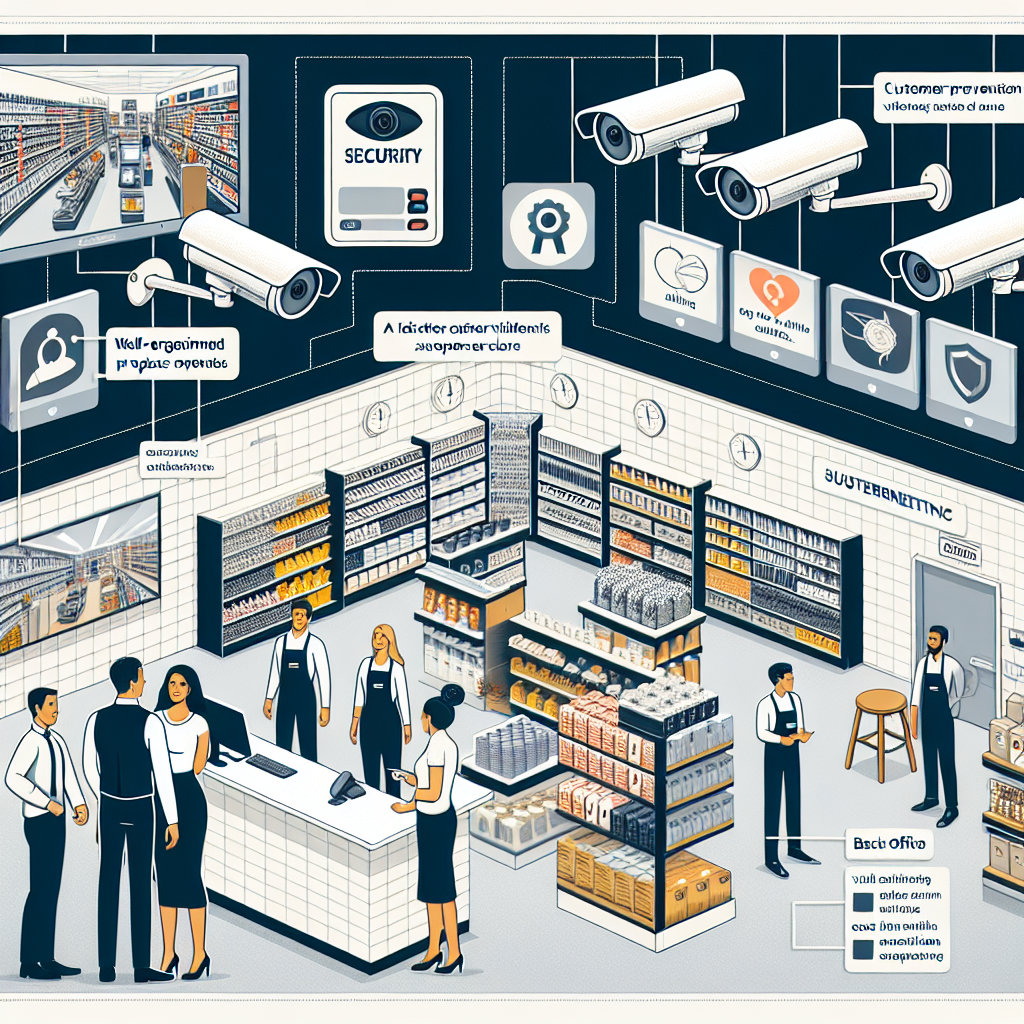
In today’s retail environment, where competition is fierce and customer expectations are high, the need for effective loss prevention and improved customer experience has never been more critical. Video surveillance systems serve as a vital asset for retailers, enabling them to not only secure their premises but also enhance operational efficiencies. This guide explores the various aspects of video surveillance in retail, its benefits, implementation best practices, and frequently asked questions.
Understanding Video Surveillance in Retail
Video surveillance, also known as closed-circuit television (CCTV), involves a system of cameras strategically positioned to monitor activities throughout a retail space. These systems can range from simple setups to advanced solutions integrating artificial intelligence (AI) and analytics. Retailers use these systems to address multiple concerns, including theft, fraud, employee monitoring, and improving customer service.
Benefits of Video Surveillance in Retail
1. Loss Prevention
One of the primary reasons retailers invest in video surveillance is to reduce shrinkage – the loss of inventory due to theft, fraud, or error. Studies indicate that a well-implemented surveillance system can significantly deter theft, making it less likely for shoplifters to target a store. Retailers can also use footage to resolve disputes or track suspicious behaviors, leading to improved apprehension rates.
2. Operational Efficiency
Video surveillance systems provide operational insights that can help improve efficiency. By analyzing foot traffic and customer behavior, retailers can better understand when they need staff, how to arrange merchandise for optimal visibility, and what times of day are busiest. This intelligence can lead to more informed business decisions and increased sales.
3. Enhanced Customer Experience
With the integration of advanced technologies, video surveillance can also enhance the customer experience. For instance, heat maps generated by analyzing foot traffic can help retailers identify popular areas within the store. Understanding customer movement can enable them to optimize product placement and store layout, thereby creating a more enjoyable shopping environment.
4. Employee Monitoring and Safety
Maintaining a secure environment is essential for both employees and customers. Video surveillance helps ensure that staff follow store protocols, improving overall safety. Additionally, with the ability to monitor employee interactions and behavior, retailers can foster a positive workplace culture while identifying areas for employee development.
Best Practices for Implementing Video Surveillance Systems
1. Define Clear Objectives
Before implementing a video surveillance system, retailers should define their specific goals. Is it primarily for loss prevention, or are there other functionalities like customer experience improvement that need to be considered? Clear objectives will guide system design and ensure that it meets the retailer’s needs.
2. Choose the Right Technology
Not all cameras are created equal. Retailers should select cameras that best suit their environment, whether they are indoors or outdoors. High-definition cameras with low-light capabilities and wide viewing angles will capture better footage. Retailers should also consider cloud-based surveillance systems for flexibility and scalability.
3. Cover Strategic Areas
Proper placement of cameras is crucial. Retailers should cover entrance and exit points, cash registers, stock rooms, and key areas where theft has occurred in the past. Additionally, consider areas with high foot traffic to analyze customer behavior effectively.
4. Integrate with Other Systems
For maximum effectiveness, combine video surveillance with other security measures, such as alarm systems and RFID technology. Integration provides a comprehensive security approach, allowing for better threat detection and response.
5. Train Staff
It’s essential that staff members understand how to operate the surveillance system effectively, including how to access footage and respond to incidents. Training also involves educating them about privacy concerns and the importance of ethical surveillance.
6. Regular Assessments and Upgrades
Technology is continually evolving, and surveillance systems can become outdated. Regularly assess your system’s effectiveness and be open to upgrades that could enhance functionality, such as improved storage solutions or updated software for better analytics.
Common Concerns in Retail Video Surveillance
While the benefits of video surveillance are numerous, there are concerns that retailers must address:
-
Privacy Issues: It is crucial for retailers to respect customer privacy and comply with legal regulations regarding surveillance. Displaying signs notifying customers of surveillance can alleviate some of these concerns.
-
Data Security: With sensitive data being collected, retailers must implement robust cybersecurity measures to prevent data breaches. Regular software updates and secure storage methods are crucial.
- Cost vs. Benefits: While there are upfront costs in implementing a video surveillance system, the long-term savings from reduced losses and improved operational efficiency often outweigh these expenses.
FAQs
Q1: What is the average cost of a retail video surveillance system?
A: The cost varies depending on the size of the retail space, the type of cameras used, and additional features like cloud storage and integration with other systems. On average, a basic system can start around $500, while advanced systems may exceed $10,000.
Q2: How long can video footage be stored?
A: Video storage duration depends on the storage capacity and settings of the surveillance system. On average, most systems can store footage for 30 to 90 days, but this can be extended with more storage options or cloud-based services.
Q3: Can I access surveillance footage remotely?
A: Yes, many modern systems offer remote access capabilities, allowing retailers to view live feeds or recorded footage from their smartphones or computers.
Q4: Is video surveillance effective against employee theft?
A: Yes, video surveillance can be an effective deterrent against employee theft. Knowing that they are being monitored often discourages theft attempts.
Q5: What legal considerations should retailers keep in mind?
A: Retailers must be aware of and comply with local laws regarding surveillance, especially related to privacy and data protection. It’s advisable to consult legal counsel to ensure compliance.
Conclusion
Video surveillance is a valuable tool for retailers aiming to enhance security, reduce losses, and improve customer experiences. By carefully planning and implementing a video surveillance system, retailers can create a safer environment for both employees and customers, leading to increased trust and loyalty. Adopting best practices and remaining vigilant in system maintenance can ensure that video surveillance continues to serve as an effective asset in the ever-evolving retail landscape.