
Cybersecurity in Healthcare: Protecting Patient Data Amidst Growing Threats
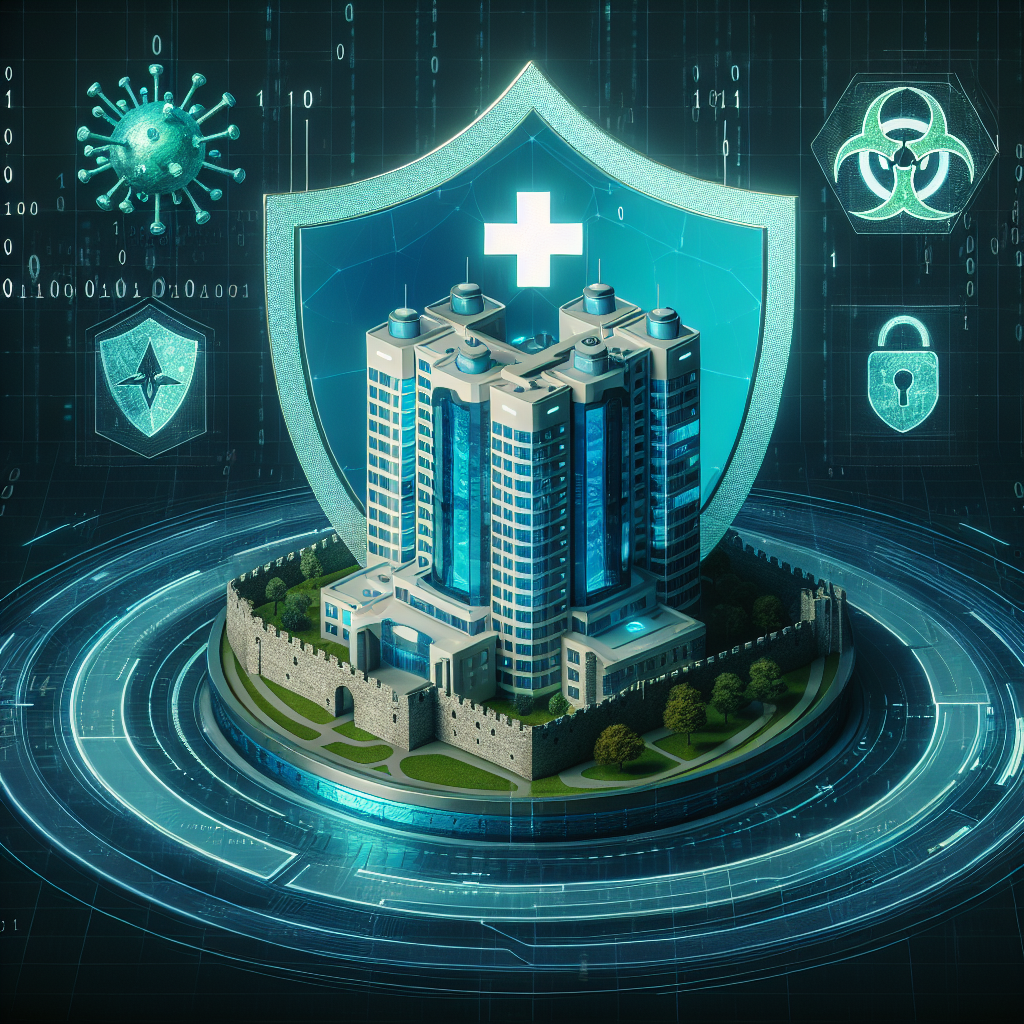
In an increasingly digital age, the healthcare sector has become a prime target for cybercriminals. With not just financial data, but sensitive personal health information (PHI) at stake, protecting patient data is paramount for healthcare providers. The rise of electronic health records (EHRs), telemedicine, and interconnected medical devices has revolutionized healthcare delivery but has also opened the door to myriad cyber threats. As we delve deeper into the evolving landscape of cybersecurity in healthcare, we will explore the significance of safeguarding patient data, the types of threats faced, and strategies employed to combat cyberattacks.
The Importance of Cybersecurity in Healthcare
In healthcare, patient trust is fundamental. When individuals seek medical attention, they must feel assured that their private information will remain secure. Failures in cybersecurity can lead to breaches that not only compromise personal data but can also disrupt healthcare services, endangering patient safety and contributing to financial losses for healthcare organizations.
The U.S. Department of Health and Human Services (HHS) has identified healthcare as a sector particularly vulnerable to cyberattacks. This vulnerability stems from the combination of valuable data, often outdated technologies, and insufficient funding directed toward cybersecurity initiatives. Given the sensitive nature of health information encompassing medical histories, medications, and treatment plans, the stakes in protecting patient data could not be higher.
Common Cyber Threats in Healthcare
Several types of cyber threats target healthcare systems, including:
1. Ransomware Attacks
Ransomware has emerged as one of the most notorious cybersecurity threats in recent years. Cybercriminals deploy malware that encrypts sensitive data, rendering it inaccessible until a ransom is paid. The implications of such attacks in healthcare can be dire, leading to operational downtime, disrupted patient care, and compromised data integrity. It’s worth noting that even if organizations choose to pay the ransom, there is no guarantee that attackers will restore access to the data.
2. Phishing Attempts
Phishing attacks involve deceptive emails and messages designed to trick healthcare employees into divulging private information or clicking malicious links. These attacks exploit human psychology, often utilizing social engineering tactics to appear legitimate. Successful phishing attempts can compromise internal systems, open the door for larger data breaches, and lead to significant financial losses.
3. Data Breaches
Data breaches can occur due to inadequate security measures or human error, resulting in unauthorized access to sensitive patient information. These breaches can stem from vulnerabilities within a healthcare organization’s network infrastructure, such as outdated software or lack of encryption. A report by Protenus reveals that healthcare data breaches affect millions of patients each year, and the financial ramifications of these incidents can be substantial.
4. Insider Threats
Insider threats come from individuals within the organization, such as employees or contractors, who exploit their access to sensitive data. Whether through malicious intent or negligent behavior, insider threats pose a significant risk. Organizations must be vigilant about monitoring access and data usage to detect any unusual behavior early.
Strategies for Cybersecurity in Healthcare
Despite the myriad of threats, healthcare organizations can adopt several key strategies to enhance their cybersecurity posture:
1. Implementing Robust Security Protocols
Healthcare institutions should prioritize the implementation of comprehensive security protocols. These include firewalls, intrusion detection systems, and encryption techniques to protect sensitive data. Regular updates and patches to software and systems are essential to prevent exploitation of known vulnerabilities.
2. Employee Training and Awareness
Humans are often the weakest link in cybersecurity. Conducting regular training sessions for employees can enhance their awareness of potential threats, such as phishing attacks, and best practices for data protection. Employees should be educated on recognizing suspicious activities and the importance of safeguarding their accounts through strong passwords and two-factor authentication.
3. Data Encryption
Encrypting sensitive patient data, both at rest and in transit, can add an extra layer of protection against unauthorized access. Even if cybercriminals manage to breach a system, encrypted data remains unreadable without the proper decryption keys.
4. Incident Response Plan
Having a clear incident response plan is crucial in the event of a data breach or cyberattack. This plan should outline the steps to contain the breach, assess the damages, notify affected parties, and recover data. Regular tabletop exercises can ensure that staff understands their roles in the incident response process.
5. Regular Risk Assessments
Conducting regular risk assessments allows healthcare organizations to identify vulnerabilities and evaluate their security measures. These assessments should also consider third-party vendors, as they can introduce additional risks if not properly vetted.
The Future of Cybersecurity in Healthcare
As technology continues to advance, the healthcare sector must be proactive in adapting to evolving cyber threats. Emerging technologies such as artificial intelligence and machine learning offer promise in identifying and mitigating risks before they cause significant harm. However, the integration of these technologies must be approached with caution to ensure they do not introduce new vulnerabilities.
Healthcare organizations must continue to foster a culture of cybersecurity, prioritizing patient data protection in all aspects of operations. Collaborations between government agencies, private sectors, and academic institutions can also lead to the development of innovative solutions to enhance the resilience of healthcare systems against cyberattacks.
Conclusion
The importance of cybersecurity in healthcare cannot be overstated; safeguarding patient data is essential for maintaining trust, ensuring patient safety, and protecting the integrity of healthcare institutions. As the landscape of cyber threats continues to evolve, so too must the strategies and technologies employed to combat them. By adopting comprehensive security measures and fostering a culture of awareness, the healthcare sector can better protect patients’ sensitive information amidst mounting challenges.
FAQs
1. What is the most common type of cybersecurity threat in healthcare?
- Ransomware attacks are among the most common and damaging threats, as they can encrypt vital patient data and disrupt healthcare services.
2. How can healthcare organizations protect against phishing attacks?
- Regular employee training, raising awareness about identifying suspicious emails, and implementing strong email filtering systems can help protect against phishing attempts.
3. What should be included in a cybersecurity incident response plan?
- An incident response plan should outline steps for breach containment, damage assessment, communication with affected parties, and recovery efforts.
4. Why is data encryption important in healthcare?
- Data encryption protects sensitive patient information from unauthorized access, ensuring that even if breaches occur, the data remains secure and unreadable.
5. How often should health organizations conduct risk assessments?
- Regular risk assessments should be conducted at least annually and whenever significant changes occur in technology or operations to identify and mitigate new vulnerabilities.
Next step
Ready to see what managed IT would cost your business?
Calculate your MSP base in about a minute, review the written agreement, and sign online, or call the Winter Garden team and talk it through first.