
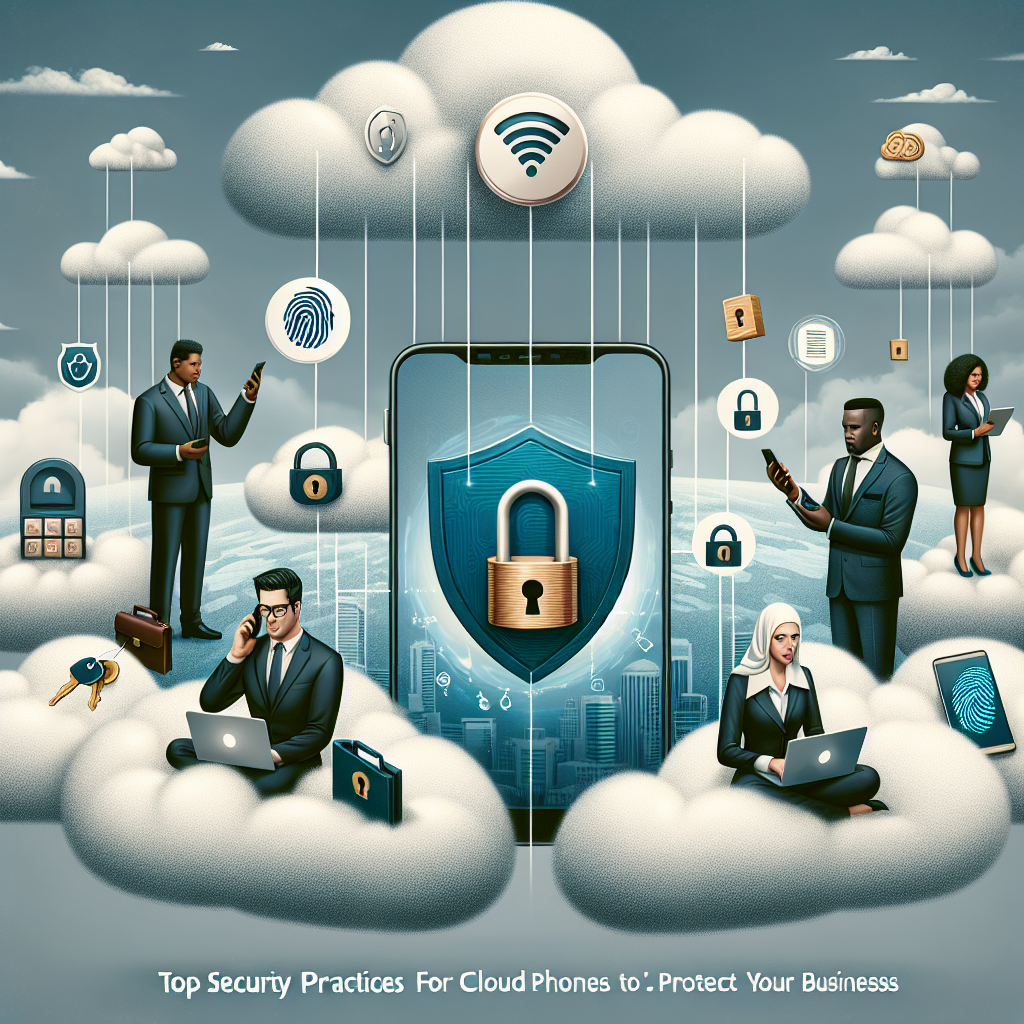
As businesses increasingly adopt cloud technologies, the need for robust security practices becomes paramount—especially when it comes to communication solutions like cloud phone services. These systems provide enhanced features like flexibility, scalability, and portability, but they also introduce various security challenges. This article outlines the top security practices you should implement to protect your business while leveraging cloud phone services.
1. Choose a Reputable Provider
The first step in ensuring the security of your cloud phone system is selecting a reputable service provider. Research potential providers meticulously; look for certified companies with strong track records in security. Verify third-party security certifications like SOC 2, ISO 27001, or HIPAA compliance if applicable to your industry. Make sure the vendor’s service level agreements (SLAs) clearly outline their security protocols.
2. Implement Strong Password Policies
Weak passwords are a common vulnerability exploited by cybercriminals. To counteract this:
- Enforce Strong Passwords: Require complex passwords that combine letters, numbers, and symbols.
- Change Passwords Regularly: Set a schedule for password changes (e.g., every 90 days).
- Avoid Reused Credentials: Users should not recycle old passwords.
3. Enable Multi-Factor Authentication (MFA)
Multi-Factor Authentication adds an additional layer of security by requiring users to verify their identity through a second method after entering their password. This can be through a text message code, an authentication app, or a fingerprint scan. Enabling MFA significantly reduces the risk of unauthorized access.
4. Regular Software Updates
Cloud phone services often receive updates that include security patches and new features. Ensure that your system is configured to automatically update. Regular updates help mitigate vulnerabilities that could be exploited by attackers.
5. Utilize Encryption
Data encryption is vital for protecting sensitive information during transmission and storage. Make sure your cloud phone provider uses strong encryption protocols such as TLS for data in transit and AES for data at rest. This ensures that even if data is intercepted, it remains unreadable to unauthorized individuals.
6. Conduct Regular Security Audits
Regular security audits can help identify weaknesses in your cloud phone service setup. Third-party security assessments can provide an unbiased view of potential vulnerabilities. Create a schedule for these audits to remain proactive in securing your systems.
7. Monitor User Activity
Keep an eye on user activity within your cloud phone system. Implement monitoring tools that track login attempts, call logs, and other critical activities. Unusual patterns could indicate a security breach or employee misconduct. Quick detection is crucial in mitigating risks.
8. Train Employees on Security Best Practices
Your employees are your first line of defense against security threats. Provide regular training sessions that cover:
- Recognizing Phishing Attempts: Teach employees to identify suspicious emails or messages.
- Secure Communication Practices: Encourage using secure channels for sensitive discussions.
- Device Security: Train employees on securing their devices, such as smartphones or laptops, that access cloud phone services.
9. Implement Access Controls
Not everyone in your organization needs access to all features of your cloud phone service. Implement role-based access control (RBAC) to define permissions based on job roles. This minimizes the risk of accidental or intentional misuse of features by restricting access to only those who need it.
10. Backup Data Regularly
Regular backups ensure that you can restore your operations in case of a data loss incident, such as a ransomware attack. Choose a solution that allows for incremental backups, ensuring that you only back up data that has changed since the last backup. Store backups in a secure location separate from your primary data.
11. Evaluate Third-Party Integrations
Many cloud phone systems integrate with other software and applications (like CRMs). While these integrations can enhance functionality, they can also introduce vulnerabilities. Assess the security measures of all integrated services to ensure they adhere to your organization’s security standards.
12. Use a Secure Network
Always ensure that your business communications are happening over secure networks. Avoid using public Wi-Fi for business-related calls or messages. If employees must work remotely, consider utilizing a Virtual Private Network (VPN) to add an extra layer of security.
13. Document Your Security Policy
Create a comprehensive security policy that outlines all the practices and measures in place. Ensure that all employees are aware of it and adhere to it. A well-documented policy serves as a guideline for expected behaviors and practices, helping to foster a culture of security awareness.
14. Prepare for Incidents
Incident response planning is crucial in the event of a security breach. Develop a response strategy that includes immediate actions, communication steps, and recovery plans. Regularly review and rehearse your incident response plan to ensure your team is prepared to act quickly and effectively.
FAQs
Q1: What are cloud phone services?
Cloud phone services allow businesses to manage their telecommunication systems over the internet rather than relying on traditional on-premises solutions. They typically offer features such as call forwarding, voicemail, video conferencing, and more, accessible from various devices.
Q2: Why are security concerns significant for cloud phone services?
Security concerns are critical because cloud phone systems often handle sensitive business communications. A security breach could expose customer data, disrupt communication, and potentially damage a company’s reputation.
Q3: How can I ensure my cloud phone provider is secure?
To ensure security, research your provider’s security certifications, read customer reviews, and evaluate their security measures. Ask for documentation regarding their SLAs and incident response policies.
Q4: What are the consequences of a security breach?
A security breach can lead to data loss, financial losses, damaged reputation, legal ramifications, and erosion of customer trust. It can take significant time and resources to recover from such events.
Q5: Is employee training really necessary?
Yes, employee training is essential as human error is often a significant factor in security breaches. Well-trained employees can recognize potential threats and adhere to best practices, reducing the risk of incidents.
Q6: What should I do if I suspect a security issue?
If you suspect a security issue, immediately report it to your IT department or security team. Follow your incident response plan to mitigate any potential damages effectively.
By implementing these practices, you can significantly enhance the security of your cloud phone services, thereby protecting your business from various threats. Remember that security is an ongoing process that demands regular evaluation and updating of your strategies.