
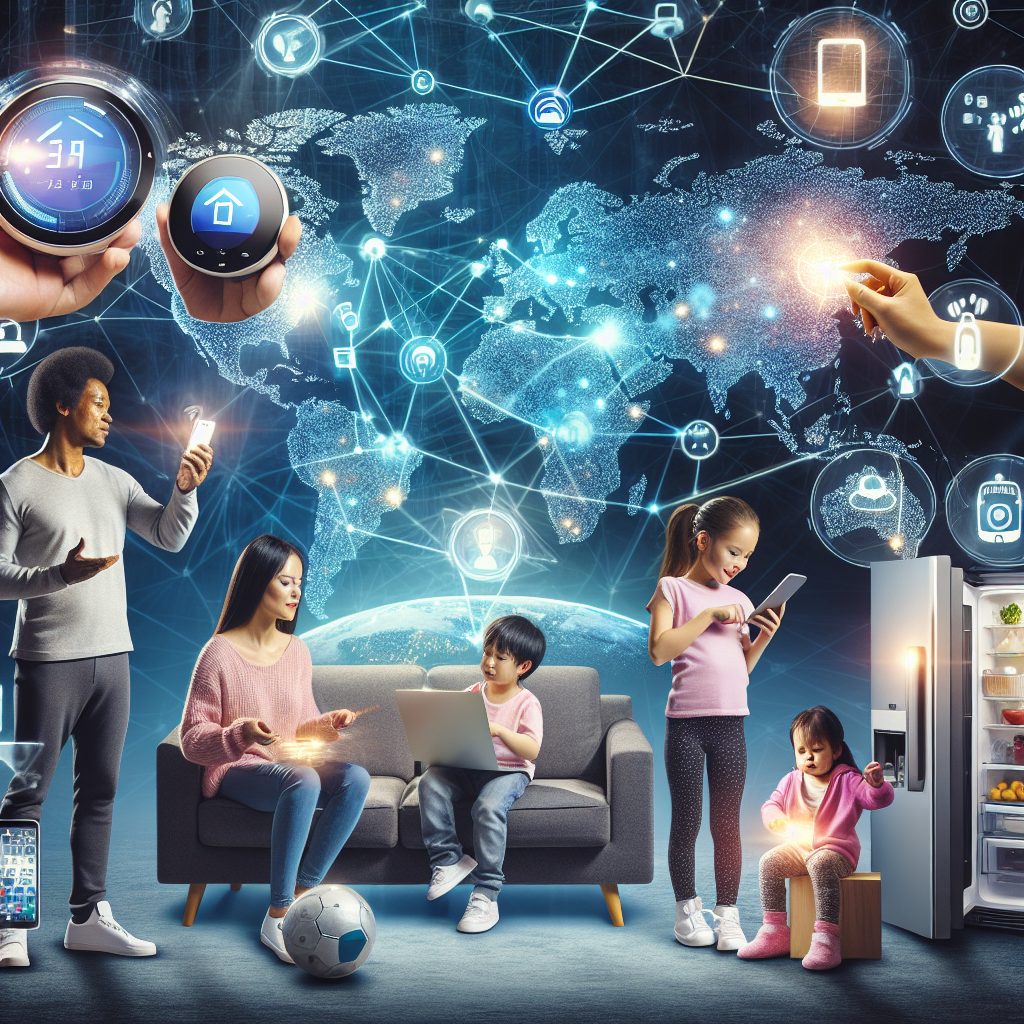
The Internet of Things: Connecting Everyday Life to the Digital World
Introduction
In the modern landscape of technological innovation, the Internet of Things (IoT) stands out as a transformative force, connecting everyday objects to the digital world in ways previously considered the realm of science fiction. From smart homes and wearable technology to connected cars and industrial automation, IoT is reshaping how we interact with the world around us. As it gains momentum, understanding its implications, benefits, and challenges becomes paramount for individuals and businesses alike.
What is the Internet of Things?
The Internet of Things refers to a network of devices—increasingly commonplace in both homes and industries—that are connected to the internet. These devices collect, share, and analyze data, ultimately allowing them to interact with each other and with users. The scope of IoT devices ranges widely, encompassing everything from smart thermostats and coffee makers to advanced manufacturing equipment and agriculture sensors.
How Does IoT Work?
IoT operates through a combination of sensors, software, and other technologies that allow devices to communicate. The basic components include:
-
Devices and Sensors: These are physical items equipped with sensors that gather data from their environment. For example, a smart thermostat measures temperature and humidity.
-
Connectivity: Devices connect to the internet or other networks, typically using protocols like Wi-Fi, Bluetooth, or cellular networks.
-
Data Processing: Once data is collected, it’s transmitted to a cloud-based server where it can be processed and analyzed. This step is crucial for transforming raw data into meaningful information.
- User Interface: Finally, users interact with IoT devices through apps, websites, or voice commands, allowing them to monitor or control the devices.
The Impact of IoT on Everyday Life
Home Automation
One of the most visible domains of IoT is home automation or smart homes. Devices such as smart lights, security cameras, and thermostats can be controlled remotely through smartphones, enhancing convenience and security. For example, smart sprinklers can adjust their watering schedules based on local weather data, while smart refrigerators can track their contents and suggest recipes.
Health and Wearable Technology
In healthcare, IoT devices are revolutionizing patient care. Wearable technologies like fitness trackers and smartwatches monitor vital signs in real-time, alerting users and healthcare providers to potential health issues. This can lead to early interventions and more personalized treatment plans, improving overall health outcomes.
Transportation
Connected vehicles exemplify another significant application of IoT. These vehicles can communicate with one another and with infrastructure to enhance road safety and manage traffic flow more efficiently. Features such as real-time navigation, autonomous driving, and predictive maintenance are all made possible through IoT technology.
Industrial IoT (IIoT)
In the industrial sector, IoT is used for automation, predictive maintenance, and supply chain optimization. Sensors attached to machinery can monitor performance and predict failures before they occur, saving companies time and money. IIoT enables greater efficiency in manufacturing and logistics, leading to reduced downtime and improved productivity.
Benefits of IoT
-
Increased Efficiency: By automating tasks and providing real-time data, IoT can streamline operations in various sectors, reducing costs and improving productivity.
-
Better Decision-Making: Analyzing data collected from IoT devices can provide insights that inform strategic decisions, whether in business operations or personal choices.
-
Enhanced Quality of Life: IoT applications in healthcare, home automation, and transportation can significantly improve convenience, safety, and health outcomes.
- Sustainability: IoT can contribute to more sustainable practices, such as energy-efficient home systems and smarter resource management in industries.
Challenges of IoT
Despite its numerous advantages, IoT also presents challenges that need to be addressed:
-
Security Risks: As more devices connect to the internet, the potential for cyberattacks increases. IoT devices often lack robust security features, making them vulnerable to hacking.
-
Data Privacy: The collection and processing of personal data raise concerns about privacy. Users must be informed about what data is being collected and how it’s being used.
-
Interoperability: With a plethora of devices and platforms, ensuring that they can communicate with each other remains a significant hurdle.
- Regulatory Challenges: As IoT continues to grow, regulatory frameworks must evolve to address the unique challenges it poses, particularly concerning security and privacy.
The Future of IoT
The future of IoT looks promising, with advancements in artificial intelligence, machine learning, and edge computing further enhancing its capabilities. As technology becomes increasingly integrated into our lives, IoT is expected to become more ubiquitous, leading to greater innovation in smart city initiatives, personalized healthcare, and more.
Conclusion
The Internet of Things is transforming the way we live, work, and interact with our environment. By connecting everyday objects to the digital world, IoT offers immense potential to enhance efficiency, convenience, and quality of life. However, capitalizing on these benefits necessitates addressing the challenges that accompany this technological revolution. As we stand on the brink of an increasingly interconnected world, understanding IoT’s implications will be key to navigating our future.
FAQs
1. What are examples of IoT devices?
- Common examples include smart speakers (like Amazon Echo and Google Home), fitness trackers, smart thermostats (like Nest), connected appliances (like smart refrigerators), and industrial sensors.
2. Is IoT secure?
- While IoT offers many advantages, security can be a concern. Many devices lack robust security features, making them susceptible to cyber threats. Utilizing strong passwords and regularly updating device firmware can help mitigate risks.
3. How does IoT benefit businesses?
- IoT can improve operational efficiency, reduce downtime through predictive maintenance, enhance inventory management, and enable data-driven decision-making, leading to cost savings and increased profitability.
4. Will IoT replace jobs?
- While IoT may automate certain tasks, it will also create new jobs and opportunities in fields such as data analysis, cybersecurity, and IoT device development. Adapting to these changes is crucial for the workforce.
5. How is IoT different from the traditional internet?
- Traditional internet primarily connects computers and servers, while IoT connects a vast array of devices and objects, enabling them to communicate, share data, and improve functionality in real-time.
The IoT is not just a technological trend; it represents a fundamental shift in our relationship with the world around us. As we embrace this connectivity, understanding its scope and implications will enable us to harness its full potential responsibly.