
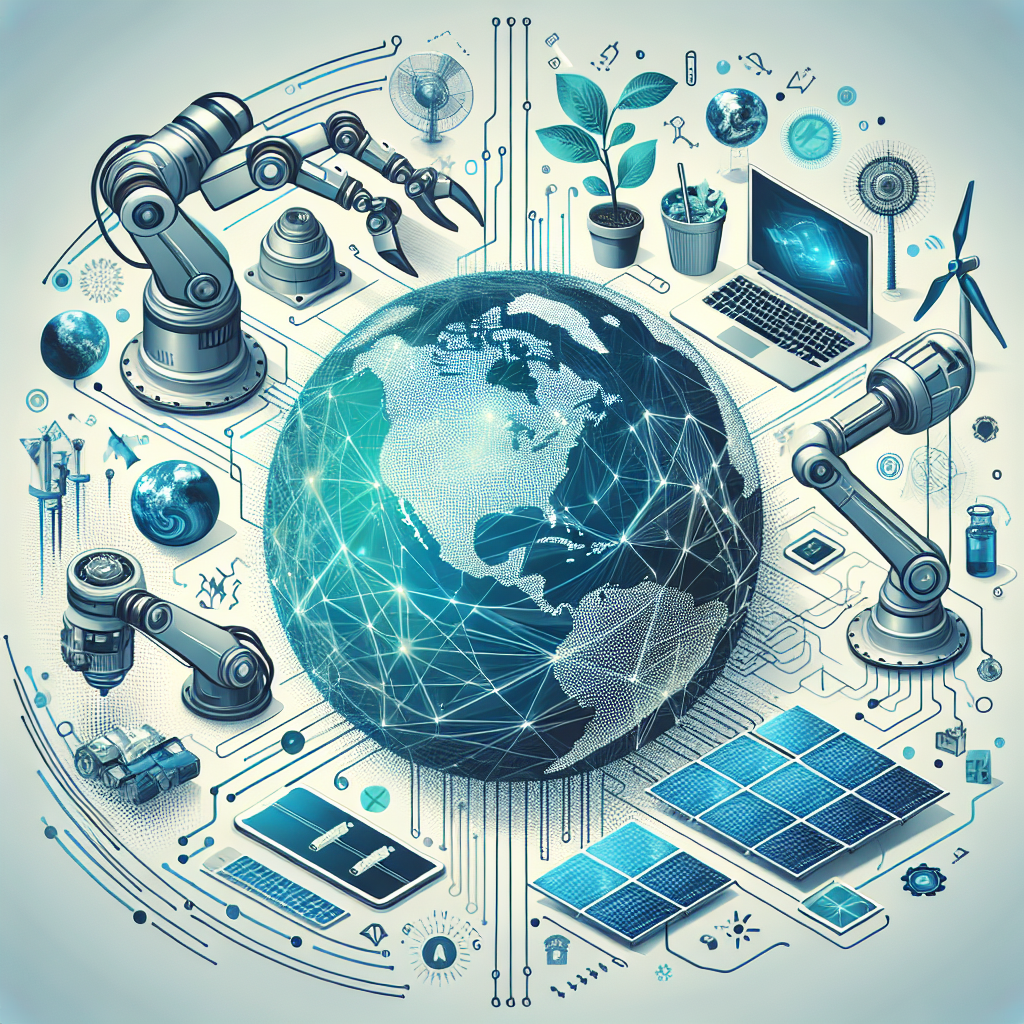
In the interconnected landscape of the 21st century, technology is not merely a catalyst for economic growth but a powerful vehicle for social change. The notion of "Tech for Good" refers to the application of technology to address pressing global challenges, enhance social welfare, and improve lives. From healthcare innovations to environmental sustainability efforts, technology is reshaping our world in unprecedented ways. This article explores how various tech innovations are making significant contributions to global betterment.
1. Health Innovations
Telemedicine and Remote Health Monitoring
One of the most significant advancements in healthcare is telemedicine, which allows patients to consult healthcare professionals from the comfort of their homes. This is especially crucial during pandemics when accessing a hospital can be risky. For instance, platforms like Teladoc and Doctor on Demand offer comprehensive healthcare services, from mental health counseling to routine check-ups, making healthcare more accessible, especially in rural and underserved areas.
Moreover, wearable health technology, such as smartwatches and fitness trackers, enables continuous monitoring of vital signs. Devices like the Apple Watch can detect irregular heart rhythms and alert users significantly ahead of time, allowing for timely medical intervention.
AI in Diagnostics and Treatment
Artificial Intelligence (AI) is revolutionizing diagnostics. Algorithms trained on vast datasets can analyze medical images with accuracy comparable to, or sometimes exceeding, that of human professionals. Companies like Zebra Medical Vision and PathAI use machine learning to identify diseases earlier, leading to more effective treatment options. These innovations are not just confined to urbanized areas; they are also being scaled to assist in low-resource settings, improving health outcomes on a global scale.
2. Education Technologies
E-Learning Platforms
The proliferation of e-learning platforms like Coursera, Udemy, and Khan Academy democratizes education, breaking down geographical and economic barriers. During the COVID-19 pandemic, schools worldwide adopted online learning tools, dramatically transforming education. These platforms provide individuals with access to global knowledge resources that were once only accessible through traditional means.
Additionally, initiatives like One Laptop per Child (OLPC) aim to provide every child with a laptop and educational resources, ensuring that even those in impoverished regions can engage with educational content. Such technologies are equipping future generations with the skills needed to thrive in a digital economy.
Virtual Reality in Learning
Virtual reality (VR) is becoming an invaluable tool in education, allowing students to engage with complex subjects in immersive environments. For example, VR platforms can simulate real-world scenarios that enhance understanding in fields ranging from medicine to engineering. Companies like Labster have created virtual labs wherein students can experiment without the constraints of traditional laboratory setups.
3. Environmental Sustainability
Renewable Energy Technologies
Innovations in renewable energy technologies have gained traction as society grapples with climate change. Advancements in solar panels and wind turbines have made clean energy more affordable and accessible. Companies like Tesla have popularized solar energy solutions that allow consumers to harness power directly from the sun, significantly reducing reliance on fossil fuels.
Moreover, the rise of smart grids—energy systems that use digital technology to monitor and manage energy usage—allows for better energy efficiency and lower operational costs. As urban populations grow, these technologies are crucial for sustainable city living.
Waste Management Solutions
Tech innovations in waste management are also making waves. Apps like Recycle Coach help individuals understand local recycling guidelines, while companies like TerraCycle create solutions for hard-to-recycle products. Smart waste bins equipped with sensors can optimize collection routes, thereby reducing carbon footprints associated with waste management.
4. Financial Inclusion
Mobile Banking and Microfinance
In developing countries, where traditional banking systems may be underdeveloped or non-existent, mobile banking apps like M-Pesa are bridging the financial divide. M-Pesa allows users to send and receive money via mobile phones, even in areas with limited banking infrastructure. This has transformed lives by enabling individuals to conduct transactions safely and securely, ultimately fostering economic growth in communities.
Additionally, microfinance platforms such as Kiva employ technology to connect lenders with borrowers, providing individuals with the capital needed to start small businesses. This model empowers entrepreneurs, promoting local economies and enhancing livelihoods.
5. Social Good Applications
Crowdsourcing and Fundraising Platforms
Platforms like GoFundMe and Kickstarter enable individuals to generate support for social causes or innovative ideas. Crowdsourcing funds for medical emergencies or artistic endeavors has changed how people rally support, illustrating the collective power of communities. Social media channels enhance these initiatives by amplifying outreach and fundraising efforts.
Nonprofit Management Software
Organizations working for social good also benefit from technology. Solutions like Salesforce for Nonprofits offer customer relationship management tools specifically designed for nonprofit needs, helping them optimize donations and outreach efforts. This enhances operational efficiency, allowing organizations to focus more on their mission and less on administrative tasks.
Conclusion
The potential of technology to drive positive change is immense and varied, with innovations in health, education, environment, finance, and social activism continuing to reshape lives across the globe. The collective efforts of startups, established companies, and international organizations illustrate that technology can be harnessed not just for profit but as a means to address pressing global issues.
As we explore the advantages of tech for good, it becomes clear that continued investment in these innovations is crucial. By collaborating, sharing knowledge, and harnessing technology’s potential creatively, we can build a future in which technology enriches lives and fortifies communities worldwide.
FAQs
1. What does ‘Tech for Good’ mean?
Tech for Good refers to the use of technology to solve social challenges, drive economic growth, and improve well-being across communities.
2. How is technology being used in healthcare?
Technology is being used in healthcare through telemedicine services, AI diagnostics, wearable devices, and remote monitoring, making healthcare more accessible and efficient.
3. Can technology improve education?
Yes, e-learning platforms, virtual reality, and online resources are transforming education, making it more accessible and engaging for students across various demographics.
4. What impact does renewable energy technology have?
Renewable energy technologies contribute to sustainable energy production, reduce greenhouse gas emissions, and promote energy independence.
5. How does mobile banking benefit underdeveloped areas?
Mobile banking provides financial services to populations without access to traditional banking systems, promoting economic activity and empowering individuals.