
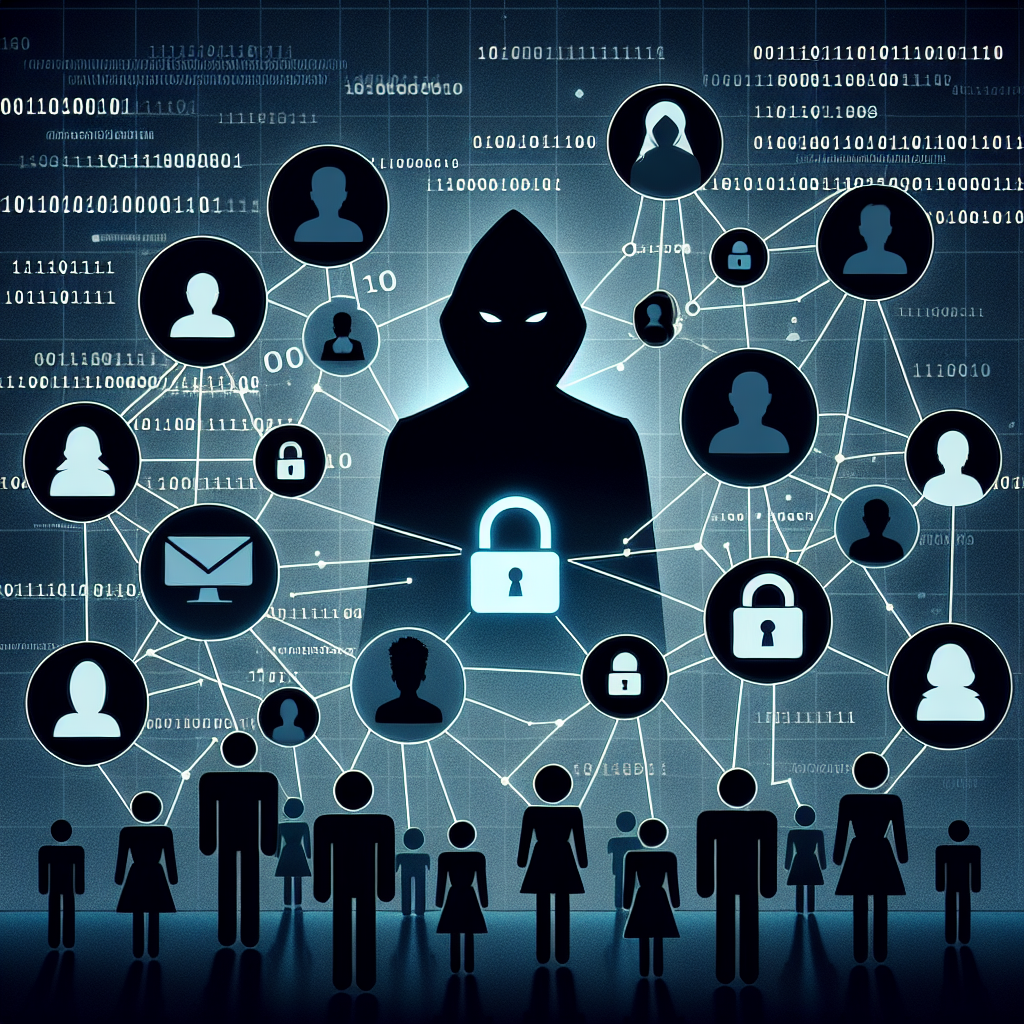
In our increasingly digital world, cyber threats are no longer confined to complex algorithms and software vulnerabilities. One of the most insidious forms of cybercrime is social engineering, where hackers exploit human psychology to gain access to sensitive information. This article explores the mechanics of social engineering, common tactics used by cybercriminals, and strategies to safeguard against such threats.
Understanding Social Engineering
Social engineering can be defined as the art of manipulating people into divulging confidential information or performing actions that compromise security. Unlike traditional hacking techniques, which often involve technical skills to exploit software vulnerabilities, social engineering relies on a deep understanding of human behavior. Hackers utilize various psychological tactics to trick individuals into bypassing normal security protocols.
Common Tactics Used in Social Engineering
1. Phishing Attacks
Phishing is perhaps the most well-known form of social engineering. In these attacks, cybercriminals send fraudulent emails that appear to be from a legitimate source, such as a bank or a popular social media platform. The emails often contain urgent messages, prompting the recipient to click a link that leads to a fake website. Once there, users may be asked to enter sensitive data like passwords or credit card numbers.
2. Vishing (Voice Phishing)
Vishing is another method where attackers use phone calls to manipulate victims. The hacker may impersonate a trusted entity, such as a bank representative or a government official. They often create a sense of urgency, convincing the victim that immediate action is necessary, which can lead to the release of sensitive information over the phone.
3. Pretexting
In pretexting, the attacker creates a fabricated scenario (pretext) to gain the target’s trust. This could involve impersonating someone with authority or a colleague. For example, a hacker might call an employee pretending to be from the IT department, claiming they need account verification for “security purposes.”
4. Baiting
Baiting involves leaving tempting items, like infected USB drives, in places where potential victims will find them. When someone plugs the USB into their computer, malicious software is installed, allowing the hacker to access sensitive information. This method plays on human curiosity and eagerness for free goods.
5. Tailgating
Tailgating, or “piggybacking,” occurs when an unauthorized person gains entry into a restricted area by following someone who has legitimate access. For instance, a hacker might wait for an employee to swipe their access card and then slip in behind them. This tactic relies heavily on social norms, where individuals do not typically confront strangers in secure environments.
6. Spear Phishing
Unlike generic phishing attacks, spear phishing targets specific individuals or organizations. The attacker often researches their target to craft a personalized message that would be more convincing. For example, the email may mention a colleague’s name or ongoing project, making it harder for the victim to discern that they are being manipulated.
The Psychology Behind Social Engineering
Social engineers leverage various psychological principles to make their attacks more effective:
1. Authority
Individuals tend to comply with requests from those they perceive as authoritative figures. Hackers often exploit this by impersonating trusted individuals, such as supervisors or government officials, to make their requests seem legitimate.
2. Urgency
Creating a sense of urgency can prompt victims to act quickly without thinking critically. Attackers often use time-sensitive language, leading individuals to make hasty decisions that compromise their security.
3. Trust
Building trust is a crucial element in social engineering. Hackers are adept at mirroring behaviors and using social cues to make themselves appear more credible. This can lead victims to let down their guard and share sensitive information.
4. Scarcity
When something appears scarce or in limited supply, people are more likely to want it. Cybercriminals exploit this principle to encourage victims to act, often promising exclusive offers or limited-time opportunities.
Protecting Against Social Engineering Attacks
1. Education and Awareness
One of the most effective ways to combat social engineering is through education and training. Organizations should conduct regular training sessions to educate employees about the various tactics used by hackers, emphasizing the importance of skepticism when approached for sensitive information.
2. Verification Protocols
Implementing verification protocols can help mitigate risks. Employees should be encouraged to verify the identity of anyone requesting sensitive information, whether via email or phone. It’s essential to cross-check through an independent means of communication.
3. Strong Password Policies
Using strong, unique passwords for different accounts can reduce the impact of social engineering attacks. Password management tools can help users keep track of their passwords and prevent the reuse of credentials across platforms.
4. Two-Factor Authentication (2FA)
Implementing two-factor authentication can add an additional layer of security. Even if a hacker gains access to passwords through social engineering, they would still require the second form of verification, making unauthorized access significantly more difficult.
5. Regular Security Audits
Conducting regular audits can help organizations identify vulnerabilities within their security framework. This might include assessing employee behavior, software vulnerabilities, and physical security measures.
Conclusion
As technology continues to advance, the methods employed by cybercriminals are becoming increasingly sophisticated. Social engineering attacks exploit the very nature of human communication, making them particularly challenging to combat. By raising awareness, fostering a culture of security, and implementing stringent protocols, individuals and organizations can bolster their defenses against these manipulative tactics.
FAQs
Q1: What is social engineering in cybersecurity?
A1: Social engineering is a tactic employed by hackers where they manipulate individuals into revealing confidential information or performing actions that compromise security, rather than directly exploiting technical vulnerabilities.
Q2: How can I recognize a social engineering attack?
A2: Be cautious of unsolicited communications requesting sensitive information, particularly if they create a sense of urgency, use authoritative language, or seem unusually personalized.
Q3: What should I do if I suspect a social engineering attack?
A3: Immediately report the incident to your organization’s IT or security department. Do not engage further with the attacker, and if applicable, change any compromised credentials.
Q4: Are social engineering attacks only conducted online?
A4: No, social engineering can occur in person, over the phone, or through various forms of digital communication, including social media.
Q5: Can social engineering attacks be prevented?
A5: While it’s challenging to prevent all instances, awareness training, verification protocols, and robust security measures significantly reduce the likelihood of falling victim to such attacks.