
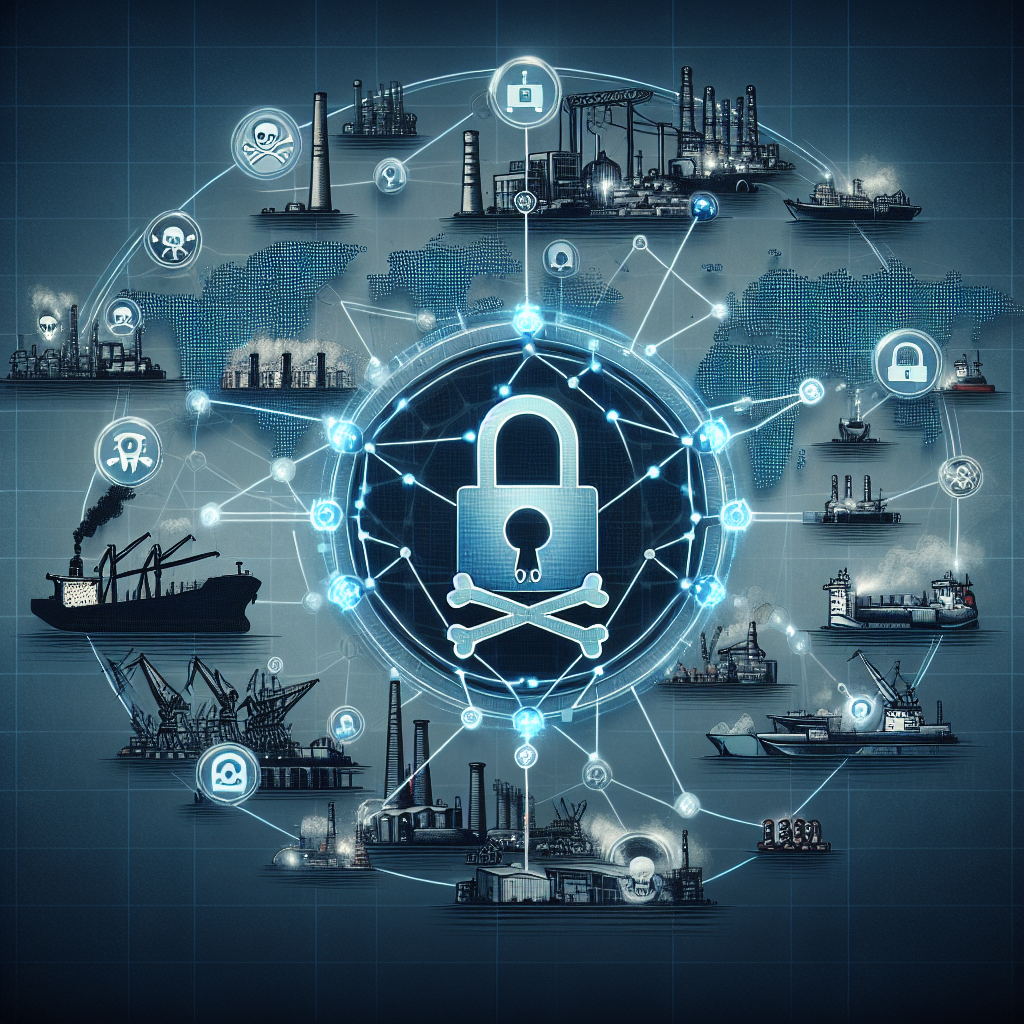
In the digital age, where technology underpins nearly every aspect of business operations, the threat of cyberattacks has become a paramount concern for organizations around the globe. Chief among these threats are ransomware and supply chain attacks, both of which have seen a dramatic rise in frequency and sophistication. As businesses grapple with these evolving challenges, understanding the implications and preventive measures becomes essential for safeguarding data, finances, and reputation.
The Landscape of Ransomware Attacks
Ransomware is a type of malicious software that encrypts victims’ files, rendering them inaccessible until a ransom is paid to the attackers. These cybercriminals exploit vulnerabilities in systems, using tactics that range from phishing emails to exploiting unpatched software vulnerabilities. The consequences of a ransomware attack can be devastating: financial losses, disrupted operations, and damage to an organization’s reputation.
The rise of ransomware can be attributed to several factors:
-
Increased Connectivity: With more devices connected to the internet, the attack surface for cybercriminals has expanded. This connectivity increases the potential entry points for ransomware.
-
Profit-Driven Motives: Cybercriminals view ransomware as a lucrative business model. The anonymity provided by cryptocurrencies allows attackers to collect ransom payments without being traced.
- Evolving Tactics: Attackers are continuously refining their techniques to bypass security measures. For example, they may not only encrypt files but also threaten to leak sensitive data if the ransom is not paid, adding a layer of coercion.
Supply Chain Attacks: A New Front
Supply chain attacks occur when cybercriminals infiltrate a business through vulnerabilities in its suppliers or third-party service providers. By targeting less secure organizations within a supply chain, attackers can gain access to their primary targets, facilitating larger-scale breaches.
The SolarWinds incident in 2020 is a prime example of a supply chain attack that affected thousands of organizations, including government agencies and Fortune 500 companies. By exploiting vulnerabilities in SolarWinds’ software updates, attackers gained access to sensitive data across multiple organizations without their knowledge.
Key factors contributing to the rise of supply chain attacks include:
-
Complex Dependencies: As organizations rely on a multitude of third-party vendors for various services, the complexity of supply chains increases, creating numerous potential entry points for attackers.
-
Outdated Security Practices: Many suppliers do not prioritize cybersecurity, leaving weak links that can be exploited. Organizations often focus less on the security measures of their partners, assuming they abide by best practices.
- Data Sharing Practices: Sharing sensitive data with suppliers can create vulnerabilities if those suppliers lack adequate security controls. Unauthorized access to shared data can result in breaches in the primary organization.
The Interplay Between Ransomware and Supply Chain Attacks
Ransomware and supply chain attacks are increasingly interlinked. Cybercriminals are leveraging supply chain vulnerabilities to distribute ransomware more effectively, achieving broader impacts with less effort. For example, an organization could be hit with a ransomware attack that originates from a compromised third-party vendor, impacting multiple clients.
This interplay underscores the critical importance of robust cybersecurity measures not only within organizations but also across their entire supply chain.
Prevention Strategies for Organizations
Given the increasing concern over ransomware and supply chain attacks, organizations must be proactive in implementing strategies to mitigate these risks. Here are some essential measures:
1. Conduct Regular Risk Assessments
Organizations should assess their risk exposure, including identifying vulnerabilities within their supply chain and internal systems. Regularly updating risk assessments allows businesses to stay ahead of emerging threats.
2. Strengthen Data Backup Procedures
An effective data backup strategy can minimize the damage caused by ransomware attacks. Organizations should maintain off-site backups that are updated regularly and ensure these backups are not accessible from the broader network.
3. Establish Incident Response Plans
Organizations should develop and regularly update incident response plans to ensure that they can respond swiftly in the event of a ransomware or supply chain attack. These plans should include clear roles and responsibilities, workflows for containment and recovery, and communication strategies.
4. Foster Cybersecurity Training and Awareness
Employee education is vital in preventing ransomware attacks. Regular training sessions can help employees recognize phishing attempts and understand the importance of maintaining strong passwords and security best practices.
5. Implement Strong Vendor Management Practices
Organizations should conduct due diligence before partnering with suppliers. This includes assessing their cybersecurity policies, conducting regular audits, and ensuring that they comply with industry standards and regulations.
6. Utilize Advanced Technology Solutions
Investing in advanced cybersecurity solutions such as firewalls, intrusion detection systems, and endpoint protection can help organizations detect and prevent ransomware attacks. Additionally, organizations may consider implementing multi-factor authentication, limiting user privileges, and employing threat intelligence solutions.
Conclusion
Ransomware and supply chain attacks have evolved into significant threats that can compromise the integrity of organizations across all industries. The increasing prevalence of these attacks necessitates a proactive and comprehensive approach to cybersecurity, encompassing internal practices and supplier relationships. By prioritizing cybersecurity measures, organizations can safeguard their assets, maintain consumer trust, and ensure their continued resilience in the face of an ever-changing cyber threat landscape.
FAQs
1. What is ransomware?
Ransomware is malicious software that encrypts a victim’s files, demanding a ransom payment to restore access.
2. How can organizations protect themselves from ransomware?
Organizations can implement data backup strategies, conduct regular risk assessments, and provide employee training to protect against ransomware.
3. What are supply chain attacks?
Supply chain attacks occur when cybercriminals target vulnerabilities within a supplier or service provider to compromise a primary organization.
4. Why are supply chain attacks on the rise?
Supply chain attacks are increasing due to complex dependencies, outdated security practices among suppliers, and the sharing of sensitive data.
5. What preventive measures should organizations take regarding supply chain attacks?
Organizations should evaluate the cybersecurity practices of their suppliers, conduct regular audits, and establish incident response plans.
6. Can ransomware be prevented completely?
While it is challenging to prevent ransomware entirely, implementing robust security practices can significantly reduce the risk of attacks.
By staying informed about emerging threats and investing in cybersecurity measures, organizations can enhance their resilience against ransomware and supply chain attacks.