
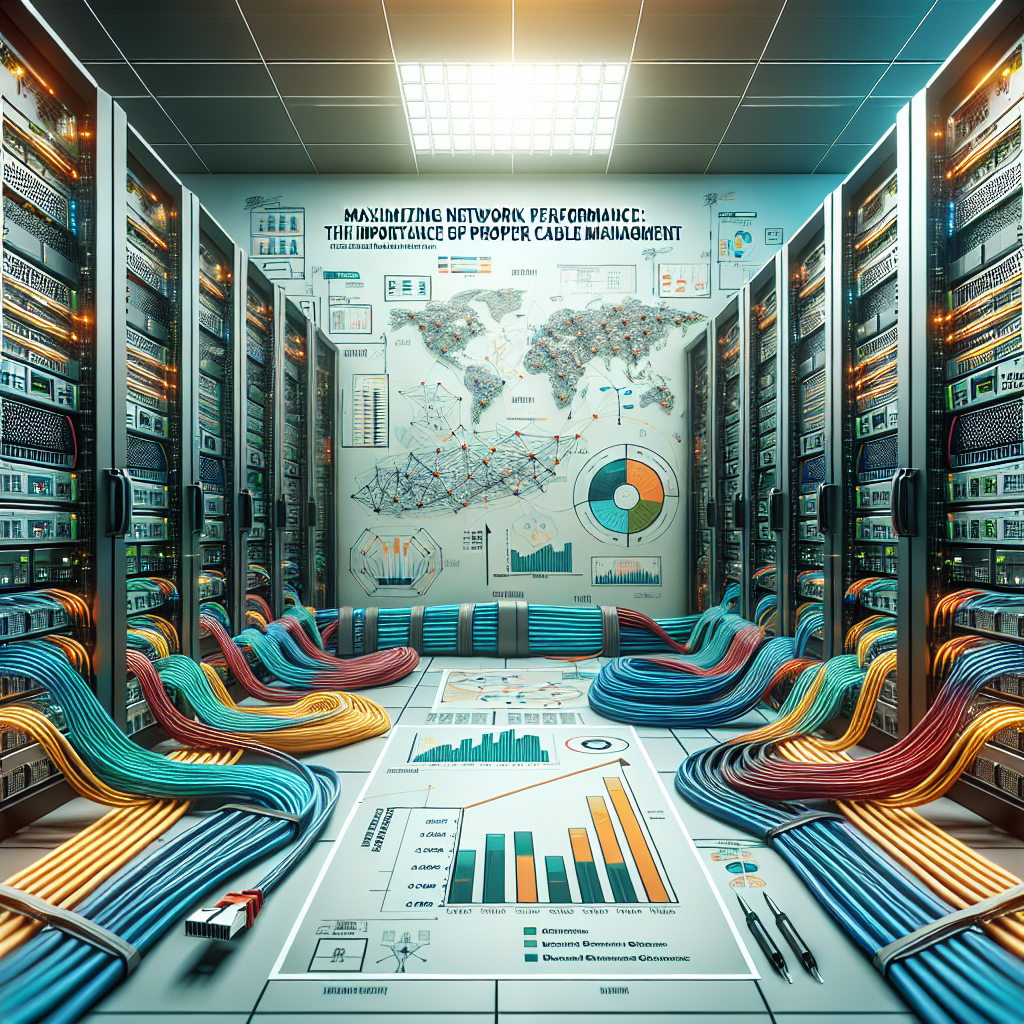
In our increasingly interconnected world, smooth and efficient network performance is paramount. As businesses and homes expand their technological horizons, ensuring optimal network performance becomes vital. One often-overlooked aspect of network optimization is cable management. Proper management of network cables not only enhances aesthetics but also significantly contributes to reliability, speed, and overall network performance.
What is Cable Management?
Cable management refers to the organization, arrangement, and maintenance of cables in a structured manner. This includes networking cables, power cables, and other types used in various technologies such as computers, servers, and telecommunication systems. Proper cable management involves not only neat placement but also the use of various tools and practices to ensure that cables are well-organized, accessible, and not susceptible to damage.
Why is Cable Management Important?
-
Enhanced Performance: Poorly managed cables can lead to interference and signal loss. Twisted-pair cables, for example, rely on their twisted design to minimize electromagnetic interference. When cables are tangled, twisted, or pinched, degradation in signal quality might occur, leading to slower network speeds.
-
Easier Troubleshooting: A well-organized cable layout makes it much easier to diagnose issues when they arise. Technicians can quickly identify which cable leads to a malfunctioning device, reducing downtime and ensuring a quicker resolution.
-
Reduced Risk of Damage: Unmanaged cables are prone to wear and tear. Tripping over cables, pulling on them inadvertently, or exposing them to moisture can lead to physical damage. By securing and organizing cables, the risk of physical damage is minimized.
-
Improved Airflow: In server rooms and data centers, cables can obstruct airflow, leading to overheating. Proper management ensures that air can circulate freely around devices, which is crucial for maintaining optimal performance and longevity.
- Aesthetic Benefits: Neat and organized cables not only look better but also promote a professional image. For businesses, this is key in instilling confidence in clients and stakeholders.
Strategies for Effective Cable Management
-
Planning and Layout: Before setting up your cables, plan your layout. Assess your space and determine where devices will be located. This will allow you to measure the necessary cable lengths required, avoiding excess cable slack that can cause tangling.
-
Cable Ties and Clips: Utilize cable ties, clips, and straps to group cables together. Color-coding these ties can further streamline management efforts. This reduces clutter and avoids the confusion that comes with multiple cables running alongside each other.
-
Labeling: Clearly labeled cables make it easy to identify their purpose and destination. This is especially critical in environments with numerous network connections, such as server rooms.
-
Cable Channels and Raceways: For larger installations, consider using cable channels or raceways. These structures help house and protect cables while maintaining a clean look. They can be mounted on walls or ceilings to direct cables away from foot traffic.
-
Keep Cables Short: Use only as much cable as needed. Excess cable can entangle and lead to inefficient management. Custom lengths can often be purchased or made to fit your specific needs.
- Regular Maintenance: Perform routine checks on your cable management system. Over time, cables can become tangled or misarranged. Periodic audits allow you to address any issues before they lead to serious problems.
Best Practices for Specific Environments
-
Data Centers: Establish clear pathways for horizontal and vertical cable runs. Use different paths for power and data cables to prevent electromagnetic interference. Installing raised floors can also aid in effective management.
-
Home Networks: For home users, mount routers and switches in accessible locations. Use wall-mounted cable management systems or clips to tuck cables along walls, maintaining a tidy living environment.
- Office Spaces: In office environments, consider investing in desk grommets and under-desk cable trays to keep cables organized without being visible to everyone.
The Impact of Poor Cable Management
The ramifications of poorly executed cable management can be serious. Not only might you experience decreased speeds and connectivity issues, but you could also face higher operational costs due to equipment failure or downtime. Maintaining a disorganized space can also lead to increased frustration among employees, impacting productivity.
Key Takeaways
- Proper cable management enhances network performance by ensuring optimal signal quality, facilitating troubleshooting, and protecting against physical damage.
- Implementing effective strategies such as planning, utilizing cabling tools, labeling, and regular maintenance can vastly improve your network infrastructure.
- Regular assessments and adaptations of your cable management system are critical in ensuring sustained performance and adaptability as technology continues to evolve.
FAQs
1. What are the benefits of using cable management solutions?
Cable management solutions help in organizing cables, improving airflow, reducing wear, minimizing signal interference, and supporting efficient troubleshooting. They contribute to both aesthetic and operational improvements.
2. How do I know if my cables are affecting my network performance?
If you’re experiencing slow speeds, frequent disconnections, or connectivity issues, it’s wise to check your cable management. Look for tangled or damaged cables and test individual cables for functionality.
3. Can I manage cables without specialized tools?
Yes, basic tools like cable ties, clips, and adhesive mounts can be used effectively. However, specialized tools can simplify the process, especially in larger installations.
4. How often should cable management be reassessed?
It’s advisable to reassess your cable management system at least once every six months. This will help catch issues early and ensure that your setup remains efficient as your technology evolves.
5. Is there a risk of overheating due to poor cable management?
Yes, poor cable management can obstruct airflow around devices like routers and servers, potentially leading to overheating. Ensuring cables are arranged properly allows for better ventilation, extending the lifespan of your equipment.
By prioritizing cable management, businesses and home users can significantly enhance their network performance, leading to a more efficient and cohesive technological environment.