
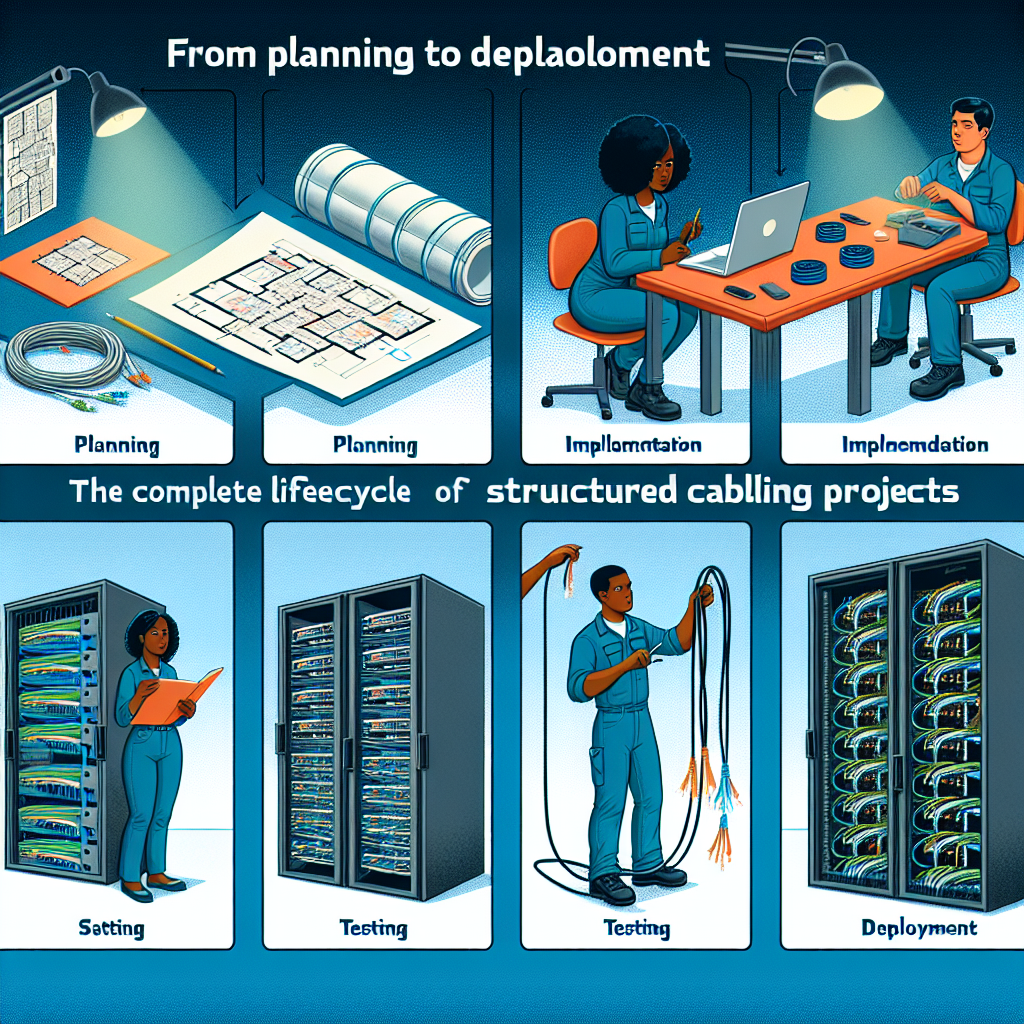
Structured cabling is the backbone of an organization’s network infrastructure, playing a crucial role in facilitating communication, efficiency, and data transfer. Whether it’s a small enterprise or a massive corporation, the lifecycle of structured cabling projects encompasses several stages—from planning and design to deployment and maintenance. This article will delve into each of these stages, providing insights into how to effectively manage a structured cabling project from start to finish.
1. Planning Phase
Understanding Requirements
The first step in any structured cabling project is understanding the specific requirements of the organization. This includes:
- Gathering Information: Engage stakeholders to understand their needs, including the number of devices that will be connected, bandwidth requirements, and future scalability needs.
- Site Surveys: Conduct site surveys to assess the existing infrastructure, identify potential challenges, and understand the physical environment—like walls, ceilings, and available pathways for cabling.
Developing a Strategy
Once the requirements are clear, it’s time to develop a strategy. This involves:
- Choosing Standards: Select appropriate cabling standards based on the requirements. The most common standards include Category 5e, Category 6, and Category 6a for Ethernet.
- Budgeting: Establish a comprehensive budget that accounts for materials, labor, and any unexpected issues that may arise during deployment.
Creating a Project Plan
The project plan should outline all activities, responsible parties, timelines, and budget allocations. Key components include:
- Timeline: Create a Gantt chart that presents a visual timeline for the entire project lifecycle.
- Risk Management: Identify potential risks and develop strategies to mitigate them.
2. Design Phase
Cabling Topology and Layout
The design phase is where the cabling and layout are created. Considerations include:
- Topology Design: Choose between star, bus, or ring topology based on the specific requirements of the network.
- Cable Pathways: Design pathways and conduit routes for the cables, taking into account aesthetic and functional considerations.
Equipment Specifications
In addition to cabling, specifying the right equipment is essential. This includes:
- Connectors: Choosing appropriate connectors such as RJ45, fiber connectors, and others depending on the type of cabling.
- Patch Panels and Racks: Design the layout of patch panels and racks for organized cable management and connectivity.
Compliance and Standards
Ensure that the design complies with local codes and industry standards, such as the Telecommunications Industry Association (TIA) and the Electronic Industries Alliance (EIA).
3. Implementation Phase
Installation
The installation phase is where the project moves from design to reality. Key elements include:
- Cable Installation: Install cables throughout the space, ensuring that they are properly secured and routed.
- Connector Terminations: Properly terminate the cables at both ends, ensuring that connections are made according to best practices to avoid issues down the line.
Testing
After installation, it’s crucial to perform testing:
- Cable Testing: Use specialized equipment to verify that the cabling meets the required performance standards. This may include checking for continuity, signal loss, and performance against specified standards.
- Documentation: Document all testing results and ensure that the installation adheres to the original design specifications.
4. Deployment Phase
Switching and Networking
In the deployment phase, all hardware is connected, including switches, routers, and other networking equipment:
- Configuration: Configure network devices to ensure proper data transmission.
- Integration: Integrate the structured cabling with existing systems, ensuring seamless functionality.
User Training
Training users on the new system is essential for maximizing the effectiveness of the installation. This may include:
- Workshops: Conduct workshops for end-users to understand how to utilize the new infrastructure.
- Documentation: Provide user manuals and documentation for reference.
5. Maintenance Phase
Routine Checks
Structured cabling systems require regular maintenance to maximize lifespan and performance:
- Monitoring: Regularly monitor the cabling and network performance to identify and resolve issues before they escalate.
- Inspections: Periodic inspections should be scheduled to check for wear and tear, ensuring that the cabling remains in good condition.
Upgrades and Scalability
As business needs change, cabling systems may need upgrades:
- Planning for Scalability: When designing the original system, keep future scalability in mind to accommodate new devices or increased data demands.
- Implementing Upgrades: Plan for upgrades to infrastructure as technology evolves, which may include adding additional cables or switching to higher-category cabling.
Conclusion
Structured cabling is an integral part of modern communications in any organization. The complete lifecycle—from planning to deployment and maintenance—ensures that the infrastructure is robust, reliable, and scalable. By adhering to best practices at each phase of the project, organizations can avoid common pitfalls and achieve a high-performing networking environment that meets current and future needs.
FAQs
Q1: How long does a structured cabling project take?
A1: The duration of the project depends on various factors, including the size of the installation, complexity, and planning. A small project may take a few weeks, while larger installations can take several months.
Q2: What are the costs associated with structured cabling?
A2: Costs can vary widely based on the scope of the project, materials used, labor costs, and any additional services required, like testing and maintenance. It’s important to create a comprehensive budget during the planning phase.
Q3: Can I add more cables later?
A3: Yes, adding cables later is possible, but it’s best to plan for this during the initial design phase. Ensuring sufficient pathways and space for future expansion can help facilitate easier upgrades.
Q4: What kind of maintenance does structured cabling require?
A4: Regular inspections, testing, monitoring, and maintaining cleanliness in pathways are crucial for the longevity and performance of structured cabling systems.
Q5: Are there standards that structured cabling must comply with?
A5: Yes, structured cabling must comply with various standards from organizations like the Telecommunications Industry Association (TIA) and the Electronic Industries Alliance (EIA), which dictate installation and performance requirements.
By understanding and effectively managing the lifecycle of structured cabling projects, organizations can lay a strong foundation for their communications infrastructure, equipping them for both present needs and future growth.